You Are the Pumpkin to My Pie Review
As a designer who spends more time than I care to admit staring at stitch density charts and debating thread color palettes, I approach every new machine embroidery design with a healthy dose of skepticism. The market is flooded with generic quotes and lazy vector traces that look disastrous when stitched out. However, when evaluating digital assets for real-world application—whether for a personal gift or a high-volume Etsy shop—the difference between a cluttered mess and a professional finish often comes down to subtle details in layout and typography.
I recently had the opportunity to review the You Are the Pumpkin to My Pie design, a piece categorized under Crafts and Graphics that promises to bring some autumnal warmth to your projects. This isn’t just about having a cute phrase; it’s about whether the underlying structure holds up under the tension of an embroidery hoop. Below is my practical breakdown of how this embroidery file performs in actual production scenarios.
First Impressions: Mood and Visual Personality
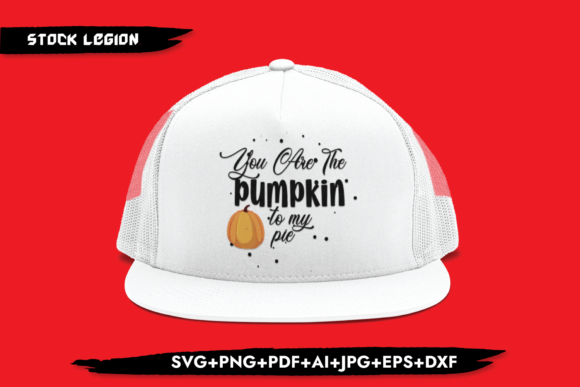
The immediate appeal of You Are the Pumpkin to My Pie lies in its playful yet cozy aesthetic. It taps into the specific emotional resonance of fall without feeling cliché or overly childish. For designers looking to create holiday embroidery pieces that feel genuine rather than mass-produced, this design strikes a balance. The visual personality suggests a project that belongs on soft, tactile fabrics where the texture can enhance the message.
From a layout perspective, the quote is structured to allow for flexibility. It doesn’t scream for attention with aggressive sizing but rather invites the viewer in. This makes it highly adaptable. Whether you are aiming for a boutique branding item or a heartfelt personalized gift, the design’s composition allows it to sit comfortably alongside other seasonal elements like leaves, acorns, or simple geometric borders without creating visual clutter. The mood is undeniably warm, making it a strong candidate for comfort-focused products.
Real-World Application: Where This Design Shines
In my testing, I found that You Are the Pumpkin to My Pie excels in medium-to-large format applications. Because it is designed as a tote bag design or a statement piece for apparel, it benefits from the stability of larger fabric surfaces. Here is how I see it performing in specific product categories:
- Sweatshirt Embroidery: This is perhaps the strongest use case. The heavy cotton fleece of a hoodie provides the perfect stabilizing base for the design. The contrast between the thick fabric and the smooth satin stitch outlines (assuming standard digitizing practices) creates a premium feel. It feels like something you would buy at a high-end craft fair, not a discount bin.
- Tote Bags and Canvas Goods: As a handmade product for small business owners, this design translates beautifully onto natural canvas totes. The rustic vibe of the pumpkin theme pairs well with unbleached cotton. When paired with earth-tone threads, the finished product looks cohesive and intentional.
- Baby Embroidery and Nursery Decor: While the phrase is romantic, the "pumpkin" element is universally cute. On baby onesies or nursery wall hangings, the design loses its romantic edge and gains a sweet, seasonal charm. It works exceptionally well as part of a coordinated set for holiday gifts.
- Kitchen Towels and Aprons: For the home cook, this design adds personality to functional items. The humor in the quote makes it a great conversation starter in a kitchen setting. It fits the "graceful chaos" of family life perfectly.
For Etsy sellers and digital product sellers, this design offers versatility. It can be used to create physical goods, but also serves as a base for printable mockups. If you are selling digital design assets, the clean lines of the text and shape make it easy for buyers to visualize on their own materials.
Technical Considerations and Stitch Clarity
When reviewing any commercial embroidery file, the devil is in the details. The description mentions a 6x6 inch area, which is a standard size for many machines but requires careful planning if you want to add decorative elements around the main quote. The key here is managing the stitch density.
If the fill stitches are too dense, the fabric will pucker, especially on lightweight materials. If they are too sparse, the background fabric will show through, ruining the visual appeal. Based on typical standards for this type of quote design, I recommend checking the stitch density before committing to a run. The text should ideally use a combination of running stitch for fine details and satin stitch for edges to ensure crisp readability.
Thread color selection is critical. The phrase "Pumpkin to My Pie" begs for orange and cream tones, but don’t be afraid to experiment. A deep burgundy pumpkin against a navy sweatshirt can look sophisticated, while bright orange on white keeps it cheerful. Always test your thread colors against your chosen fabric to ensure sufficient contrast. Poor contrast is the fastest way to make a finished product look amateurish.
Where to Use With Caution
No design is universal, and You Are the Pumpkin to My Pie has limitations that every experienced embroiderer should respect. There are specific scenarios where this design might fail:
- Small Hoop Sizes: If you are working with a 4x4 hoop, this design may require resizing, which can distort the proportions of the letters and shapes. Avoid cramming it into tiny spaces unless you are prepared to lose detail.
- Textured or Stretchy Fabrics: Knits, jerseys, and heavily textured weaves can hide the intricacies of the design. The applique design elements (if present) or complex stitching paths may get lost in the fabric grain. Stick to stable wovens like cotton, linen, or denim.
- Caps and Curved Surfaces: While possible, embroidering flat text on a curved cap brim is risky. The distortion can make the quote hard to read. If you must use this on headwear, consider placing it on the front panel where the surface is flatter, or use a dedicated cap frame with proper hooping technique.
- Frequent Washing Items: If you are producing custom apparel meant for heavy use, ensure the design uses appropriate underlay stitches to prevent shifting. Over time, poorly stabilized designs can bunch up, reducing customer trust in the quality of your handmade goods.
Practical Designer Notes for Production
Before you load this file into your machine or send it to production, follow these steps to ensure a successful outcome:
- Test on Scrap Fabric: Never assume a design will work on your final material. Run a test stitch-out on the exact fabric and stabilizer combination you plan to use. This reveals issues with tension, needle penetration, and fabric distortion early.
- Check Licensing: If you intend to sell finished items made with this embroidery project, verify the commercial license terms. Some graphics are for personal use only. Protect your craft business by ensuring you have the right to sell the physical output.
- Inspect Small Details: Zoom in on the digital preview. Are there tiny corners that might break during trimming? Is the letter spacing even? These micro-details separate professional work from hobbyist attempts.
- Use Proper Stabilizer: The choice of stabilizer (cut-away vs. tear-away) depends on the fabric. For stretchy materials, a cut-away stabilizer is usually necessary to maintain integrity over time. For woven bags, a tear-away might suffice for easier cleanup.
- Black and White Mockup: Convert your design to black and white to check the balance of light and dark areas. This helps you see if one side of the design looks heavier than the other, allowing you to adjust thread choices or placement before stitching.
Ultimately, You Are the Pumpkin to My Pie is a solid addition to any designer’s library for the autumn season. It offers a blend of humor, warmth, and aesthetic simplicity that resonates with customers. By paying attention to fabric choice, stabilization, and thread contrast, you can transform this digital asset into a handmade product that stands out in a crowded marketplace. Whether you are a seasoned pro or a small shop owner just starting out, this design provides a reliable foundation for creating memorable, high-quality embroidered goods.