Cute Pumpkin with Bow 1 Review
As a designer who spends half my day staring at stitch charts and the other half troubleshooting tension issues on my machine, I don’t just look for "cute" when I’m evaluating an embroidery file. I look for viability. Does this design translate well from a digital screen to physical thread? Will it hold up in a real-world embroidery project? And most importantly, will it make my clients or customers happy?
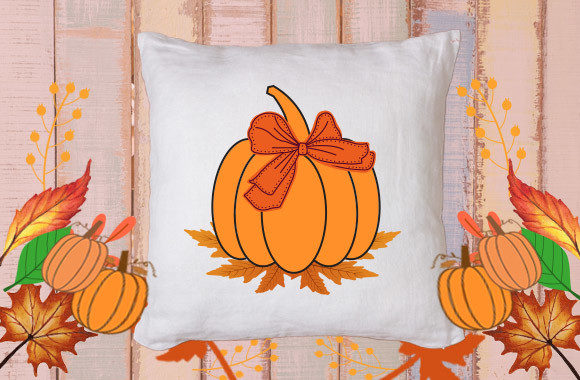
That is exactly how I approached Cute Pumpkin with Bow 1. This graphic falls squarely into the Crafts and Graphics categories, but its potential extends far beyond simple decoration. It is a seasonal staple that, if executed correctly, can drive sales for Etsy sellers, small shop products, and boutique branding efforts. Below is my practical breakdown of how this design performs in actual production scenarios.
First Impressions: Mood and Visual Personality
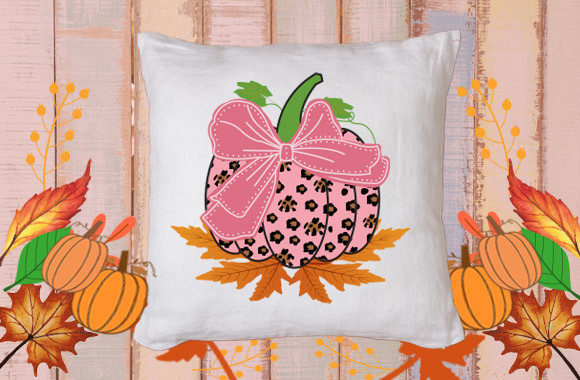
The immediate appeal of Cute Pumpkin with Bow 1 lies in its approachability. It isn’t trying to be avant-garde or overly complex; it is designed to evoke warmth, nostalgia, and the cozy aesthetic of autumn. For designers creating personalized gifts or holiday merchandise, this emotional connection is critical. The visual personality here is soft and inviting, which makes it highly suitable for baby embroidery, nursery decor, and gentle home accents.
From a layout perspective, the composition feels balanced. The pumpkin shape provides a solid central anchor, while the bow adds a touch of whimsy and detail without overwhelming the main subject. When I first loaded the files—specifically the PNG FILE Print-ready with Transparent PNG, the EPS File Adobe Illustrator CS6 version, and the SVG File—I appreciated the clean vector lines. Clean vectors are essential because they ensure that when you convert these graphics into stitch paths, you avoid jagged edges or ambiguous shapes that can confuse your digitizing software.
Real-World Application: Where This Design Shines
In my experience, the best machine embroidery design opportunities arise when you match the design’s scale and theme to the right product. Cute Pumpkin with Bow 1 is incredibly versatile, but it has specific sweet spots where it truly excels.
- Custom Apparel and Sweatshirts: This design works beautifully as a chest pocket placement on a crewneck sweatshirt or a centered back print on a long-sleeve tee. The bow detail catches the light nicely, adding texture to what might otherwise be a simple garment. It fits perfectly into the sweatshirt embroidery niche, which sees massive traffic during Q4.
- Tote Bags and Canvas Goods: A tote bag design featuring this pumpkin is a no-brainer for fall markets. The sturdy fabric holds stitches well, and the bright, cheerful nature of the design contrasts well against neutral canvas colors like beige, cream, or sage green.
- Baby Items and Nursery Decor: Because the design is inherently "cute," it is ideal for baby onesies, burp cloths, and crib bumpers. Parents love buying personalized gifts that feel safe, soft, and seasonally appropriate. The rounded shapes of the pumpkin and bow are visually soothing, making them perfect for baby embroidery projects.
- Kitchen and Home Accents: Don’t overlook textiles. This design translates wonderfully onto tea towels, aprons, and pillow covers. Imagine a set of matching kitchen towels with this motif—it creates a cohesive handmade product line that appeals to homeowners looking for seasonal updates.
Technical Considerations and Stitch Clarity
Turning a graphic into a functional digital embroidery file requires more than just importing the SVG. You have to think about how the threads will behave. Here is what I noticed regarding the structural integrity of this design.
The bow element is likely to rely heavily on satin stitch for definition. Satin stitches are excellent for smooth, glossy finishes, but they require proper underlay and consistent density to prevent puckering. If the stitch density is too high, the fabric may pucker; if it is too low, the bow may look sparse or lose its shape. Similarly, the pumpkin body will likely use a fill stitch. A good fill should cover the fabric completely without showing gaps, yet remain flexible enough not to stiffen the material excessively.
I also recommend paying attention to the smaller details. While the main shapes are bold, any tiny decorative elements (like stitching lines on the pumpkin or small highlights on the bow) need to be large enough to be stitched accurately. Tiny details often get lost in the fabric texture or get tangled by the needle. Always inspect these areas closely before committing to a full run.
Where to Exercise Caution
No design is universal, and there are certain contexts where Cute Pumpkin with Bow 1 might struggle. As an experienced reviewer, I advise caution in the following scenarios:
- Small Hoop Sizes: If you attempt to stitch this on a very small hoop (under 3 inches), the proportions may look cramped. Ensure your final hoop size allows enough breathing room around the edges so the design doesn’t look squashed.
- Textured or Stretchy Fabrics: Avoid using this design on heavy terry cloth, fuzzy fleece, or highly stretchy jersey knits without a stabilizer. These fabrics can distort the running stitch and fill stitch patterns, leading to misalignment. If you must use stretchy fabric, a cut-away stabilizer is non-negotiable.
- Dense Stitch Areas: Be mindful of layered garments or curved surfaces like caps. On a baseball cap, the curvature can cause the bobbin thread to show through or the top thread to break if the design is too dense. Test carefully on similar curved surfaces.
- Dark Fabric Without Proper Contrast: If you plan to embroider this on dark fabric, ensure your thread colors provide sufficient contrast. A light-colored pumpkin might disappear against black unless you use a substantial underlay or a lighter base color.
Strategic Value for Creators and Sellers
For commercial embroidery professionals and craft business owners, the value of a design like this goes beyond aesthetics. It impacts brand consistency and customer trust. A well-executed finished product signals professionalism. When a buyer receives a tote bag or a sweatshirt with crisp, clean stitches and no loose threads, their perception of your brand quality increases immediately.
Furthermore, this design supports multiple revenue streams. You can sell the physical items, create printable mockups for digital planners or wall art, or even offer the design as a design asset for other digitizers (if licensing permits). The versatility of having both raster (PNG) and vector (EPS, SVG) formats means you can adapt the artwork for various uses, from direct-to-film transfers to sublimation prints alongside embroidery.
Practical Designer Notes Before You Stitch
Before you rush to produce inventory for the holiday season, follow these practical steps to ensure success:
- Test on Scrap Fabric: Never assume a design will work on your target material without a test run. Use scrap pieces of the exact fabric you plan to sell.
- Check Thread Color Contrast: View your design in black and white mockups to ensure the shapes are distinct. Then, simulate different thread palettes to see which combinations pop the most.
- Confirm Licensing: This is crucial. Check the terms provided with the EPS File Adobe Illustrator CS6 version and other formats. Are you allowed to sell finished goods? Can you use this in a commercial embroidery project? Clarifying this protects your craft business from legal issues.
- Use Proper Stabilizer: Match your stabilizer to the fabric weight. Lightweight fabrics need lightweight tear-away or wash-away stabilizers, while heavier fabrics like denim or canvas benefit from cut-away options.
- Inspect Small Details: Zoom in on the digital file. Are there any overlapping lines or tiny isolated pixels that could cause stitching errors? Clean up the vector path if necessary before digitizing.
Ultimately, Cute Pumpkin with Bow 1 is a strong candidate for anyone looking to add seasonal charm to their offerings. It balances simplicity with enough detail to feel premium. By paying attention to stitch density, fabric choice, and proper preparation, you can turn this graphic into a best-selling holiday embroidery item that resonates with buyers and elevates your brand.