Hello Pumpkin Embroidery Review
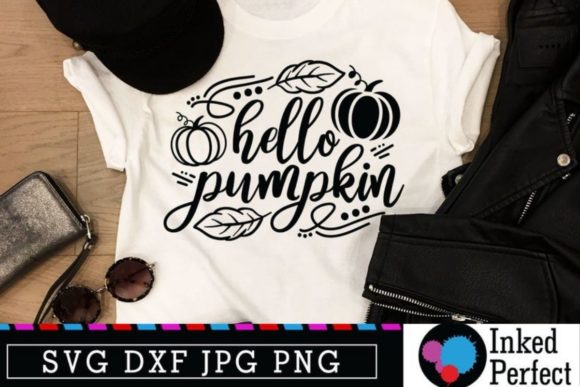
As a designer who spends more time staring at stitch density charts and fabric swatches than actually sleeping, I approach every new digital asset with a mix of hope and skepticism. We have all seen the endless streams of generic clip art masquerading as professional embroidery files. That is why I take a hard look at designs before integrating them into my workflow or recommending them to clients. Today, I am evaluating Hello Pumpkin, an autumn-themed graphic categorized under Crafts and Graphics. The premise is simple: welcome a new baby into the family with an adorable t-shirt design featuring leaves and pumpkins. But does it hold up when translated from a screen to a hoop? Let’s break down the practical application, aesthetic value, and potential pitfalls of this specific design.
First Impressions and Visual Personality
The immediate mood of Hello Pumpkin is warm, nostalgic, and undeniably cute. In the world of handmade products, especially those targeting newborns and toddlers, "cute" is a powerful currency. However, cuteness can easily tip over into cluttered if the layout isn't balanced. From a design perspective, the inclusion of leaves and pumpkins alongside the quote suggests a festive, seasonal vibe that aligns perfectly with fall aesthetics. It feels less like a rigid corporate logo and more like a friendly, handwritten greeting, which works exceptionally well for personalized gifts and boutique branding.
The visual personality here is soft but distinct. For an embroidery project, this balance is crucial. If the elements are too delicate, they will get lost in the thread; if they are too bold, they might overwhelm a small garment. My initial assessment is that this design leans towards the playful side, making it ideal for items where comfort and charm are prioritized over high-fashion minimalism. It creates a sense of joy and anticipation, which is exactly what you want when marketing to parents preparing for a baby shower or a new arrival.
Real-World Application: Where This Design Shines
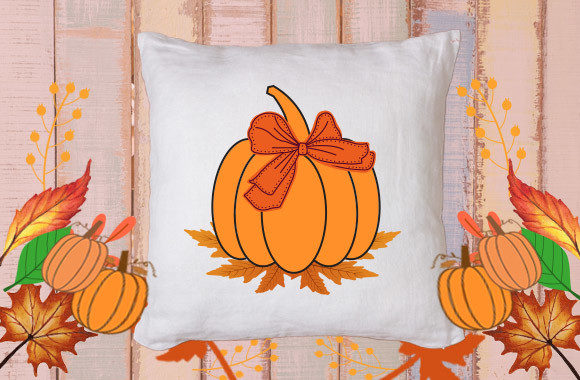
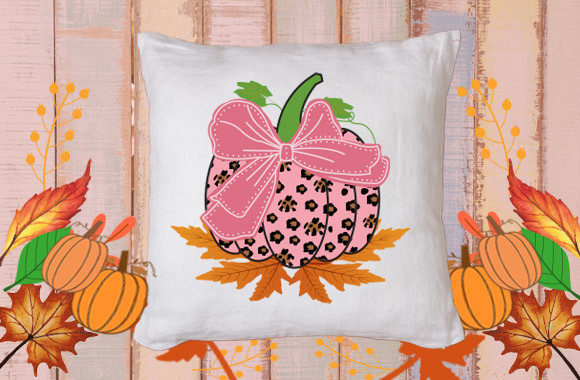
When I imagine taking Hello Pumpkin out of the digital realm and onto actual fabric, several strong use cases come to mind. The most obvious candidate is custom apparel. A soft, heather-gray or cream-colored sweatshirt embroidery featuring this design would be a bestseller during the autumn months. The contrast between the warm orange tones of the pumpkins and the neutral background creates a cozy, inviting look that resonates with buyers looking for holiday gifts or seasonal wear.
Beyond apparel, this design has significant potential in the realm of home goods and accessories. Picture a sturdy canvas tote bag designed for diaper runs. The durability of the fabric complements the sturdy nature of pumpkin motifs, creating a cohesive product that feels both functional and stylish. Similarly, an embroidered patch applied to a denim jacket or a baseball cap could add a personalized touch that elevates a basic item into a unique piece of custom apparel.
I also see strong potential in nursery decor and baby-specific items. A onesie or a burp cloth featuring Hello Pumpkin taps directly into the emotional desire of new parents to document and celebrate their child’s first few months. When marketed correctly, such items become more than just clothing; they become keepsakes. For an Etsy seller or a small shop product owner, this versatility allows for cross-listing across multiple categories, from baby clothes to kitchen towels, maximizing the return on investment for a single digital embroidery file.
Technical Considerations and Stitch Execution
However, enthusiasm must be tempered with technical realism. Embroidery is a subtractive process in many ways—you are building up texture, but you are also limited by the physical properties of thread and fabric. One of the primary concerns with any text-based design like Hello Pumpkin is legibility. If the font size is too small relative to the surrounding graphics, the message gets lost. I always advise testing the design in a black-and-white mockup to ensure that the contrast between the lettering and the decorative elements remains clear even without color cues.
The stitch density is another critical factor. Designs with heavy fill stitches can become stiff and uncomfortable, particularly on delicate fabrics like thin cotton or jersey knits used for baby clothes. If the stitch density is too high, the fabric may pucker, ruining the drape of the garment. Conversely, if the details in the leaves or pumpkins are too intricate, they may not render cleanly, resulting in a muddy appearance. It is essential to review the stabilizer requirements carefully. A lightweight stabilizer might suffice for a tote bag, but a heavier cut-away stabilizer would likely be necessary for stretchy fabrics to prevent distortion during stitching.
Thread color selection plays a huge role in the final outcome. While the description mentions leaves and pumpkins, the specific shades chosen can make or break the design. Standard bright orange might look cartoonish, whereas muted burnt orange or sage green could offer a more sophisticated, modern look. Experimenting with different thread colors can help tailor the design to various brand aesthetics, whether that is rustic farmhouse or contemporary chic.
Areas Caution Is Required
There are specific scenarios where Hello Pumpkin might not perform as well. Avoid using this design on highly textured fabrics like bouclé or heavy wools, as the needle penetration may be inconsistent, leading to skipped stitches. Similarly, curved surfaces like the front of a structured cap can be challenging for larger rectangular designs. If the design is not properly digitized for curvature, the text may appear distorted or stretched. Additionally, be cautious with small hoop sizes. Trying to cram a detailed scene with text and graphics into a tiny hoop often results in a cramped, hard-to-read final product. Always check the recommended hoop size before committing to production.
Impact on Product Value and Brand Trust
Using a well-executed design like Hello Pumpkin directly impacts customer trust and perceived value. Handmade products are judged not just on utility but on presentation. A clean, professionally stitched design signals attention to detail and quality craftsmanship. When a buyer sees that the letters are crisp, the edges are neat, and the colors are vibrant, they are more likely to believe in the reliability of the seller. This is particularly important for commercial embroidery businesses where reputation is everything.
Furthermore, the thematic relevance of the design enhances its giftability. Autumn is a season associated with warmth, harvest, and family gatherings. A design that captures this spirit naturally fits into gift-giving occasions, from Thanksgiving to Halloween to general fall celebrations. This emotional connection can drive higher engagement and conversion rates for craft business owners. By offering products that resonate emotionally, you move beyond selling commodities to selling experiences and memories.
Final Verdict for Designers and Sellers
In conclusion, Hello Pumpkin is a solid choice for designers and sellers looking to capitalize on the autumn market. Its charming aesthetic makes it suitable for a wide range of handmade products, from baby clothes to home decor. However, success depends on proper execution. Test the design thoroughly on scrap fabric, pay close attention to stitch density and stabilizer usage, and choose thread colors that enhance rather than clash with the theme. Confirm licensing terms before selling finished items, and consider creating printable mockups to showcase the design effectively in your online listings.
For those willing to put in the preparation work, this design offers a high potential for success. It balances visual appeal with practical application, making it a valuable addition to any embroidery project library. Whether you are a hobbyist making a one-off gift or an Etsy seller scaling your design assets, Hello Pumpkin provides a reliable foundation for creating beautiful, marketable embroidered goods. Just remember: the magic happens in the details, so take the time to get them right.