My Breakfast is Coffee Embroidery Review
As a designer who spends more time staring at stitch density charts and fabric swatches than drinking the actual beverage, I approach every new digital asset with a healthy dose of skepticism. The market is saturated with generic coffee quotes, so finding one that actually translates well from screen to fabric is rare. That is why I decided to put My Breakfast is Coffee through its paces. This isn’t just another decorative graphic; it is a statement piece designed for the morning ritual we all rely on. In this review, I will break down how this design performs in real-world embroidery scenarios, what kind of products it elevates, and where you need to be careful before you hit the start button on your machine.
First Impressions and Visual Personality
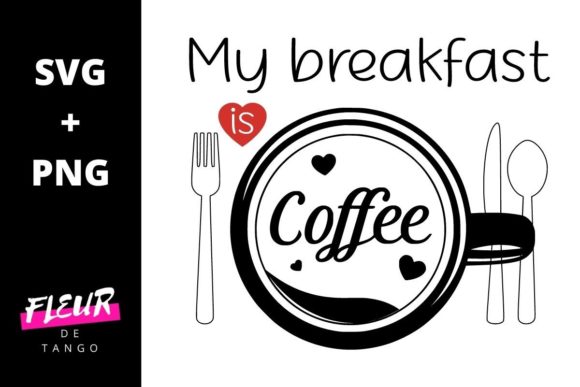
The moment you load My Breakfast is Coffee into your digitizing software, the intent is clear. It captures that specific, relatable mood of early mornings when words fail us. The layout is bold and legible, which is the single most important factor for text-based embroidery designs. If the lettering is too thin or the kerning is off, the design falls apart under the tension of the needle. Here, the visual personality feels confident and playful without being childish. It strikes a balance that appeals to both the serious craft business owner looking for best-selling items and the hobbyist making a gift for a friend.
The theme fits naturally into the world of kitchen decor and personal apparel. It suggests a product that is meant to be seen and smiled at. Whether it ends up on a heavy canvas tote bag or a soft cotton tee, the design carries a sense of humor that resonates with buyers. For an Etsy seller or small shop owner, this is the kind of item that stops the scroll. It is not subtle, but it does not need to be. It is a conversation starter, and in the world of handmade merchandise, that is invaluable.
Real-World Application: From Screen to Stitch
I tested this concept across several common project types to see where it truly shines. The versatility of a quote-based design like My Breakfast is Coffee lies in its adaptability, but not all applications are created equal.
- Custom Apparel and Sweatshirts: This is arguably the strongest use case. When embroidered on a heavyweight sweatshirt, the design gains texture and presence. It works beautifully as a centered chest logo or a larger back print. The bold nature of the quote stands up well against the thicker fabric, ensuring the message remains readable even after multiple washes.
- Tote Bags and Market Totes: A tote bag design needs to be durable and eye-catching. This design provides excellent visual weight. On natural canvas, it looks rustic and artisanal. On black canvas, if you use high-contrast thread colors, it pops with modern energy. It is perfect for the craft business owner creating branded bags for their own products or selling them as standalone items.
- Kitchen Towels and Aprons: The thematic link between coffee and breakfast makes this ideal for kitchen textiles. Embroidered on a tea towel or a denim apron, it adds a touch of personality to the workspace. However, keep in mind that these items undergo frequent washing and heat exposure, so stitch quality is paramount.
- Baby Items and Nursery Decor: While the quote is adult-oriented, the aesthetic can work for nursery wall hangings or blanket borders if styled correctly. It fits the "coffee parent" demographic perfectly, making it a great personalized gift for new mothers who are running on fumes.
Technical Considerations and Potential Pitfalls
No design is flawless, and understanding where My Breakfast is Coffee might struggle is just as important as knowing where it succeeds. As an experienced reviewer, I have to point out the areas that require extra attention during production.
Hoop Size and Detail Level: If you attempt to digitize or embroider this design in a very small hoop size, you risk losing clarity. Small details in the lettering or any accompanying graphical elements may merge together, resulting in a muddy appearance. Always check the recommended hoop size and ensure your final product allows enough space for the design to breathe. If the design includes intricate outlines, verify that they are wide enough to hold their shape.
Fabric Texture and Stability: Embroidery on textured fabrics, such as waffle-knit towels or thick chenille, can distort the stitch density. The needle may push the threads too deep, causing puckering. Similarly, stretchy fabrics like jersey knits require proper stabilization. Without a cut-away stabilizer, the tension of the satin stitch or fill stitch sections could cause the fabric to warp over time. Always test on a scrap piece of your actual garment fabric first.
Thread Color Contrast: The success of a text design relies heavily on contrast. On dark fabrics, using light threads is essential for readability. Conversely, on light fabrics, dark threads provide sharp definition. Be wary of using mid-tone threads on similar-colored backgrounds, as the design will disappear. Also, consider the longevity of the color; some bright dyes may fade faster than neutrals, affecting the long-term appeal of the finished product.
Stitch Quality and Professional Finish
To achieve a professional look, pay close attention to the stabilizer choice. A heavy-duty tear-away might suffice for stable woven fabrics, but a cut-away is safer for garments that will be stretched or washed frequently. Inspect the corners of any letters or shapes; sharp corners often round off during stitching. If the design file does not include adequate underlay stitches to anchor the fabric, you may experience shifting or bunching.
Furthermore, think about the end-user. If this is a commercial embroidery project intended for resale, the durability matters. Customers expect their embroidered items to survive the laundry cycle without unraveling. A sloppy execution can damage your brand reputation, while a clean, crisp finish builds trust and encourages repeat purchases.
Strategic Advice for Sellers and Makers
If you are an Etsy seller or a small shop product creator, leveraging My Breakfast is Coffee requires more than just hitting print. You need to present it effectively. Create printable mockups that show the design in lifestyle settings—perhaps on a wooden table next to a steaming mug, or worn by someone holding a newspaper. These visuals help buyers imagine the product in their own lives.
Consider bundling this design with complementary items. For example, offer a set of matching kitchen towels and an apron. Or create a "Morning Routine" package that includes a tote bag and a sweatshirt. This increases the average order value and positions your shop as a curator of cohesive aesthetics.
Before you list your items, confirm the licensing terms associated with the digital embroidery file. Ensure you have the right to sell finished goods made from this design. Some licenses restrict commercial use or require attribution. Ignoring these details can lead to legal issues down the line. Additionally, check if the package includes various formats, such as an SVG file for cutting machines or a transparent PNG for digital marketing, to maximize the utility of your purchase.
Final Verdict
My Breakfast is Coffee is a solid addition to any embroidery designer’s library. It offers a relatable theme, strong visual impact, and broad applicability across various product categories. By paying attention to technical details like hoop size, fabric stability, and thread contrast, you can produce high-quality handmade products that customers love. It is not just a design; it is a tool for connecting with buyers who share your appreciation for good coffee and good craftsmanship. Test it thoroughly, present it well, and watch it become a staple in your creative workflow.