Nurses Can’t Fix Stupid Review
As a designer who spends more time hooping fabric than sleeping, I don’t just look at embroidery files; I look at how they translate from screen to stitch. When I first pulled up the design titled Nurses Can t Fix Stupid, my initial reaction was practical rather than purely aesthetic. In the world of healthcare apparel and gift items, humor is a high-risk, high-reward category. It needs to be sharp enough to get a laugh but professional enough that it doesn’t alienate a broader customer base. This particular graphic falls squarely into the "relatable venting" niche, a space that is incredibly crowded on platforms like Etsy and in local craft fairs. The question isn't whether nurses will buy it—they do—but whether this specific execution holds up under the scrutiny of real-world embroidery work.
First Impressions and Visual Personality
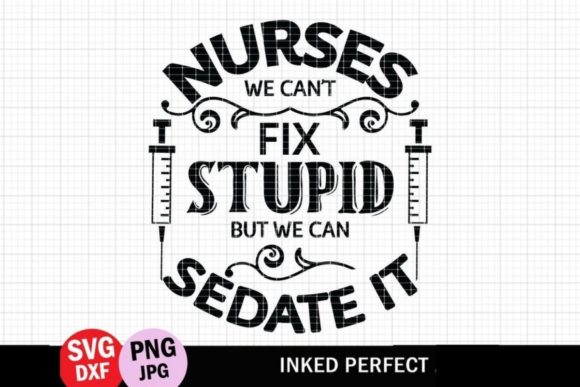
The core concept here relies on a classic punchline structure: the setup followed by the darker, funnier payoff. Visually, designs in this category often lean heavily on typography because the joke lives in the words. If the lettering is weak, the humor fails before the needle even touches the fabric. From a design perspective, the layout needs to balance readability with decorative flair. We are looking for a machine embroidery design that feels intentional, not like an afterthought slapped onto a blank canvas.
The mood created by Nurses Can t Fix Stupid is one of weary camaraderie. It speaks directly to the exhaustion and dark humor that often accompany long shifts in emergency rooms or ICUs. For the craft business owner, this is valuable emotional resonance. It’s not just a shirt; it’s a badge of survival. However, the visual personality must support this tone. If the font choices are too whimsical or childish, it undermines the gritty reality the quote references. Conversely, if it’s too stark, it loses the playful edge required for a birthday gift or a casual wear item. The design needs to sit comfortably in that middle ground—professional enough for a workplace lanyard patch, but fun enough for a weekend sweatshirt.
Real-World Application: The Tote Bag Scenario
To truly evaluate this file, I imagine placing it on a specific product. Let’s say we are creating a custom embroidered tote bag for a nurse’s end-of-year gift. Totes are a staple in the Etsy seller inventory because they are versatile, easy to ship, and offer a large, flat canvas for stitching. But they also present unique challenges.
When I visualize Nurses Can t Fix Stupid on a heavy cotton canvas tote, the primary concern becomes scale and placement. A standard 4x4 hoop might feel cramped if the text is dense. I would likely recommend scaling this up to fit a larger hoop area to ensure the lettering breathes. On a tote bag, which sees frequent washing and rough handling, the design needs to be durable. This means paying close attention to stitch density. If the fill stitches are too tight, the fabric will pucker, ruining the clean lines of the text. If they are too loose, the backing material might show through, making the design look cheap.
Furthermore, consider the audience. Who is buying this? Often, it’s a family member or a colleague gifting it to a nurse. They want something that looks polished. A poorly stitched quote can make the giver feel embarrassed. Therefore, the embroidery project must execute flawlessly. The contrast between the thread colors and the bag color is critical. On a neutral beige or black tote, the text must pop without vibrating visually against the background.
Performance Across Different Garments and Items
While the tote bag is a strong candidate, Nurses Can t Fix Stupid has potential across several other categories. For sweatshirt embroidery, particularly on crewnecks or hoodies, this design works well as a chest pocket placement or a centered back print. Sweatshirts provide a soft, forgiving surface that hides minor stitching imperfections better than woven fabrics. The texture of the fleece adds depth, making the applique design elements (if any) or satin stitches stand out nicely.
Baby embroidery is another interesting angle, though perhaps less intuitive for this specific quote. However, many new parents are nurses or have nurse relatives. A onesie with this quote could serve as a humorous future gift, though it might be better suited for older children or teenagers. For apron designs, this fits perfectly into the kitchen decor market. Nurses often cook at home to decompress, and a funny apron bridges the gap between their profession and their personal life.
We must also consider embroidered patches. Patches are huge right now for decorating backpacks, jackets, and hats. If this design is digitized as a separate patch, it allows for greater flexibility. A user can sew it onto a denim jacket or a baseball cap. For caps and hats, the curved surface requires careful attention to the center of the hoop. The text must remain legible despite the curve, meaning the font weight needs to be substantial enough to survive the distortion of the hat’s shape.
Where to Exercise Caution
Not every application is suitable. I would advise against using this design on small hoop sizes unless the design itself is simplified. Tiny lettering is the enemy of embroidery clarity. If the details are lost in the stitching, the joke is lost. Similarly, textured fabrics like waffle knits or thick chenille can obscure fine lines. Stick to smooth, stable fabrics like jersey, cotton blends, or twill for the best results.
Dark fabric presents its own set of challenges. While bold white or yellow thread can work, it requires high contrast. If the design relies on subtle shading or thin lines, it may disappear against a black background. Always test your thread colors against the actual fabric you plan to use. Don’t rely on digital mockups alone, as screens can distort color perception.
Practical Designer Notes for Execution
Before committing to a production run or selling finished products, there are several technical steps you must take. First, always test the embroidery file on scrap fabric. This allows you to see how the stabilizer interacts with the material. You need to determine if you require cut-away stabilizer for stretchy fabrics or tear-away for wovens. Incorrect stabilization leads to puckering, which is the fastest way to ruin a handmade product.
Review the stitch types closely. Does the design utilize satin stitch for outlines and fill stitch for blocks of color? Ensure that the transitions between these stitches are smooth. Jagged edges can catch on things and fray over time. Check the running stitch areas for any unnecessary jumps or trims that might create loose threads.
It is also wise to inspect the design in black and white. This helps identify if the contrast levels are sufficient. If the design relies on color differences to distinguish elements, it may fail when viewed from a distance or by those with visual impairments. Additionally, confirm the licensing terms. Are you allowed to sell the finished items? Many digital creators retain rights to the original artwork. Selling commercial embroidery products without proper permission can lead to legal issues. Always check the license agreement provided with the download.
Final Verdict on Value and Appeal
Ultimately, Nurses Can t Fix Stupid is a strong contender for the Graphics category within crafts because it taps into a specific, passionate demographic. Its value lies in its relatability. For the small shop product maker, this design offers a low-barrier entry into the healthcare gift market. It doesn’t require complex digitizing skills if the file is pre-made, allowing you to focus on marketing and presentation.
The visual appeal hinges entirely on execution. A well-stitched version of this quote on a high-quality hoodie or tote bag can command a premium price. It signals professionalism and attention to detail. Buyers trust sellers who deliver crisp, clean embroidery. When the finished product looks sharp, it builds confidence in the brand. It suggests that you care about the quality of what you are selling, not just the novelty of the message.
In conclusion, this design is a practical asset for any creative entrepreneur targeting the nursing community. It works best when paired with sturdy materials and proper digitizing techniques. Avoid rushing the process. Take the time to test, refine, and perfect the stitch settings. By doing so, you transform a simple funny quote into a memorable piece of wearable art that resonates with hardworking professionals everywhere. Whether used for a personalized gift or a craft business inventory item, the key is consistency and quality. If you can deliver both, this design will likely find its way onto many a nurse’s favorite garment.