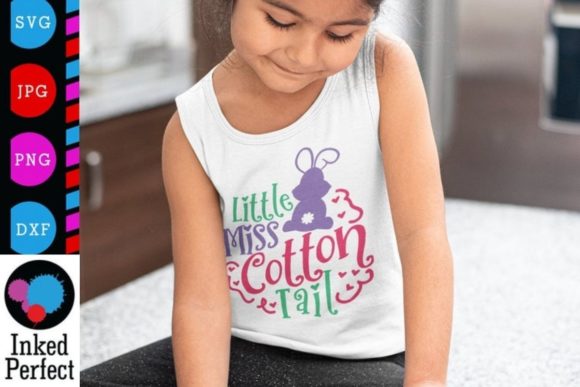
Little Miss Cotton Tail Review
As a designer who spends more time staring at stitch charts than sleeping, I approach every new embroidery file with a mix of optimism and skepticism. We have all been burned by designs that look perfect on screen but turn into a tangled mess after hitting the button. Today, I am breaking down Little Miss Cotton Tail, a design marketed as a playful Easter quote featuring a cute purple bunny, little hearts, and a girly font. But does it hold up when we move from digital preview to real-world application? Let’s dive into the practical realities of using this machine embroidery design for your next project.
First Impressions and Visual Personality
The moment you open the file, the mood is set: whimsical, soft, and distinctly feminine. The core visual anchor is the purple bunny, which immediately signals that this piece is targeted toward a younger demographic or those who enjoy pastel-heavy aesthetics. The inclusion of little hearts adds a layer of sentimentality, making it feel less like a generic graphic and more like a personal gesture. The "girly font" used for the quote ties these elements together, creating a cohesive layout that feels balanced rather than cluttered.
From a design perspective, the strength of Little Miss Cotton Tail lies in its clarity. There are no overly complex background patterns fighting for attention. This simplicity is crucial for embroidery because it allows the stitching quality to shine. Whether you are an Etsy seller looking for high-conversion items or a hobbyist making a personalized gift, the clean lines suggest that the design will render well on various fabric types. It screams "spring," "Easter," and "baby shower," giving it a strong seasonal relevance that can drive sales during specific times of the year.
Real-World Application: Where Does It Fit?
I often test designs in my mind before they ever touch the hoop. For Little Miss Cotton Tail, my immediate thought goes to tote bag design projects. A canvas tote with this centered or slightly off-center placement would make for a charming spring accessory. The purple of the bunny contrasts nicely against natural canvas or white cotton, offering a pop of color without being overwhelming.
Beyond bags, this design is practically begging to be placed on sweatshirt embroidery pieces for children. Imagine a light gray or heather pink crewneck sweatshirt with this motif on the front pocket area or just above the hem. It transforms a basic garment into a boutique-quality item. Similarly, for small shop product owners, this works beautifully on baby clothes. A onesie or a burp cloth featuring this embroidery file taps directly into the market for gender-neutral or soft-gender gifts. The "lovely daughter" angle mentioned in the description is valid, but the universal cuteness also appeals to parents who just want something adorable for their newborns.
Another strong use case is the embroidered patch. If you are selling patches on platforms like Etsy, this compact, self-contained image translates perfectly. Customers love adding personality to denim jackets, backpacks, or beanies. The distinct shape of the bunny and the text block makes it easy to digitize into a patch format with a neat border, increasing its versatility as a design asset.
Technical Considerations and Potential Pitfalls
While the design is visually appealing, no embroidery project is without its risks. When evaluating Little Miss Cotton Tail, you must consider the technical constraints of the medium. The "girly font" likely involves thin strokes. On a large scale, this might look elegant, but if you are working with a small hoop size, those letters could become illegible blobs of thread. Always check the digitization; if the lettering is too fine, it may require a higher stitch density that can pucker the fabric.
Fabric choice is equally critical. This design relies on smooth stitches to convey its playful nature. Avoid textured fabrics like heavy waffle weave or thick terry cloth unless you are experienced in stabilizing them properly. Thin fabrics, such as lightweight voile or sheer chiffon, present another challenge. Without adequate stabilizer, the tension from the fill stitch areas—particularly around the bunny’s body—could distort the material, ruining the professional finish. I strongly advise testing on scrap fabric first to see how the threads interact with your specific textile.
Color contrast is another factor. The description highlights a purple bunny. Purple on dark fabric can disappear, while purple on very bright neon backgrounds might clash. This design performs best on light-to-medium neutral tones: whites, creams, light grays, pastels, and soft blues. If you are aiming for a custom apparel look, ensure your thread colors match the intended vibe. Using a standard polyester thread might look cheap compared to a rayon or metallic blend, which could elevate the perceived value of the finished product.
Strategic Value for Creators
For the craft business owner, Little Miss Cotton Tail offers strategic advantages. Seasonal products have a short window of high demand. Having a versatile design like this allows you to pivot quickly between holidays. While it is heavily Easter-coded, the bunny and heart motifs can easily be repurposed for Mother’s Day or Valentine’s Day with minor adjustments in color palette. This flexibility increases the return on investment for the digital embroidery file.
Furthermore, the design supports strong branding for boutiques. Consistency in aesthetic helps build customer trust. If your brand is known for sweet, child-friendly items, incorporating this design reinforces that identity. It also enhances handmade presentation. A well-executed embroidery project looks expensive and thoughtful, which justifies higher price points in commercial embroidery markets. Buyers are willing to pay more for items that look professionally finished, not mass-produced.
Final Verdict and Practical Tips
Ultimately, Little Miss Cotton Tail is a solid addition to any library of Graphics intended for Crafts. It is cheerful, clear, and commercially viable. However, success depends entirely on execution. Before committing to a full production run, follow these steps:
- Test Stitch Density: Ensure the stitch density is appropriate for the fabric weight. Too dense, and you risk puckering; too sparse, and the fabric shows through.
- Check Small Details: Zoom in on the font and heart accents. Are they distinct? If they merge together during stitching, the design needs adjustment.
- Mockup in Black and White: Convert the design to grayscale to check contrast levels. This helps visualize how the shapes will separate without relying on color.
- Verify Licensing: As an Etsy seller or small business owner, confirm whether you have commercial rights to sell finished items made with this design. Never assume permission.
- Use Proper Stabilizer: Depending on your fabric, use tear-away or cut-away stabilizers to maintain integrity during the running stitch and satin stitch phases.
If you handle these technical details with care, Little Miss Cotton Tail will not only meet expectations but exceed them. It is a design that invites creativity and delivers emotional resonance, making it a worthy candidate for your next embroidery project. Whether you are creating a holiday gift for family or stocking shelves for the spring season, this file provides a reliable foundation for beautiful, marketable work.