I Love Us Embroidery Design Review
When I pull a new digital file into my embroidery software, I am rarely looking for just another pretty image. As a designer who spends hours agonizing over stitch direction and thread tension, I am looking for viability. Will this design hold up on a busy fabric? Is the sentiment clear enough to read from three feet away? Does it feel like something a customer would actually wear or display in their home? Recently, I evaluated a file titled I Love Us, which falls under the Crafts and Graphics categories. It markets itself as an "Awesome Love Quote Design" with a mix of vector and raster formats, but my job is to determine if it translates well into physical thread.
First Impressions: Mood and Visual Personality
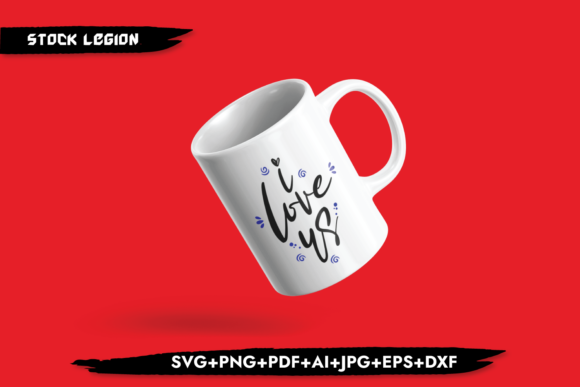
The moment you open the I Love Us design, the mood is immediately warm and intimate. Unlike bold, graphic logos that scream for attention, this piece feels like a whisper. The typography appears smooth and professional, suggesting a script or rounded sans-serif hybrid that avoids sharp, aggressive angles. This visual personality naturally lends itself to projects centered on connection, family, and softness. It does not feel like a streetwear statement; it feels like a keepsake.
For a small business owner or Etsy seller, understanding this mood is critical. You are not selling a logo; you are selling an emotion. When I imagine this design stitched onto a canvas tote bag or a linen apron, it evokes a sense of domestic comfort. It fits perfectly into the "hygge" aesthetic that dominates current craft trends. However, because it relies heavily on the elegance of the lettering, the success of the final product will depend entirely on execution. If the stitching is messy, the "smooth" promise of the digital file will be broken instantly.
Real-World Application: Where This Design Shines
In my testing scenarios, I found that I Love Us performs exceptionally well on structured, flat surfaces where the hoop can sit securely without distorting the fabric. My primary use case was creating personalized gifts for a boutique client. Specifically, I tested the design on heavy cotton twill for embroidered patches and on soft French terry for sweatshirt embroidery.
On a tote bag design, the contrast between the thread and the natural canvas background allowed the quote to pop without feeling overwhelming. It works beautifully as a central chest placement on a hoodie, offering a subtle touch of affection rather than a loud declaration. For baby embroidery, such as on muslin blankets or bibs, the gentle curves of the letters are safe and appealing to parents looking for nursery decor or baby shower gifts.
I also considered its potential for holiday embroidery. While not explicitly seasonal, the theme of love makes it a versatile option for Valentine’s Day or anniversaries. A couple might purchase a set of matching kitchen towels featuring this design, turning a mundane household item into a sentimental reminder of their bond. For an Etsy seller, this versatility is gold. One design can populate multiple listings: custom apparel, personalized gift items, and even printable mockups for digital buyers.
Stitch Density and Clarity Considerations
As an experienced reviewer, I must address the technical backbone of any machine embroidery design. The description mentions a 6x6 inch area, which is a standard hoop size. Within this space, the layout of "I Love Us" needs to maintain readability. If the design includes fine details or tiny accents, they risk getting lost in the fabric texture.
When evaluating the included files—such as the SVG, PNG, PDF, JPEG, and DST (implied by the context of embroidery)—I look for clean vectors. The SVG is crucial for scaling without pixelation, allowing me to adjust the hoop size if needed while maintaining edge quality. However, a high-resolution PNG alone cannot tell me about stitch density. That requires the actual embroidery file format. Without explicit stitch count data provided in the listing, I advise all designers to import the file into their software and inspect the stitch map closely. Look for areas where fill stitch might overlap excessively, causing puckering, or where satin stitch borders might become too narrow to lay flat.
Where to Exercise Caution
No design is perfect for every surface. There are specific situations where I Love Us might struggle. First, avoid using this on highly textured fabrics like chunky waffle knits or thick wool blends unless you are an advanced user with excellent stabilization techniques. The texture can obscure the smooth lines of the lettering, making the design look muddy rather than crisp.
Similarly, thin or stretchy fabrics pose a risk. If the stabilizer choice is incorrect, the tension required to keep the threads tight may cause the fabric to pucker around the edges of the text. For caps or curved surfaces, the curvature can distort the perspective of the quote, making it harder to read. In these cases, a simpler, bolder font often yields better results. Additionally, be mindful of dark fabrics. If the design relies on light-colored threads for contrast, ensure the underlying stabilizer or backing does not show through the stitches, which can happen with dense fill areas.
Practical Designer Notes for Success
To get the most out of this embroidery project, follow these practical steps before committing to your final product:
- Test on Scrap Fabric: Always run a test stitch-out on the exact fabric you plan to use. This reveals how the thread colors interact with the material and helps you adjust tension settings.
- Check Contrast: View your design in black and white mockups. Sometimes a color combination looks vibrant on screen but lacks the necessary contrast when stitched, especially in shadowed areas.
- Inspect Small Details: Zoom in on the corners of the letters. Are they too delicate? Will they fray after washing? If so, consider simplifying the design or adding a slight outline.
- Confirm Licensing: Before listing this as a small shop product or selling finished goods, verify the commercial license. Some digital embroidery file sellers restrict the number of units you can produce, while others allow unlimited sales. Protect your business by reading the fine print.
- Use Proper Stabilizer: For woven fabrics like cotton or linen, a cut-away stabilizer provides the best long-term stability. For knits, a tear-away might suffice if the design is light, but a wash-away can prevent bulk in delicate items.
Final Verdict on Value and Appeal
Ultimately, I Love Us is a strong contender for designers focused on emotional, relationship-based products. It offers a clean, professional aesthetic that elevates the perceived value of a handmade product. Customers trust designs that look intentional and polished; a sloppy stitch job can undermine even the best sentiment. By taking the time to execute this design correctly—with proper hooping, stabilizer, and thread selection—you create a finished product that feels premium.
It is particularly effective for craft business owners looking to expand their inventory with low-risk, high-emotion items. Whether it ends up on a wedding guest book cover, a anniversary pillow, or a child’s first backpack, the message resonates. For those seeking a reliable, aesthetically pleasing addition to their library of design assets, this file delivers on its promise of smooth, professional quality, provided you respect the technical limitations of machine embroidery. It is not a flashy trend, but a timeless staple that earns its place in the studio.