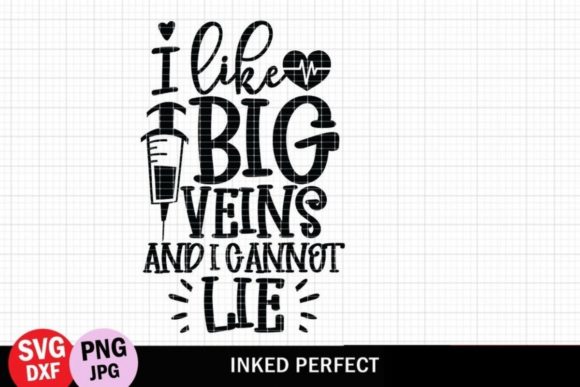
I Like Big Veins, and I Cannot Lie
As a designer who spends half my life staring at digitized files and the other half troubleshooting tension issues on my embroidery machine, I have learned to be skeptical of novelty quotes. However, when I pulled up the file for I Like Big Veins, and I Cannot Lie, I stopped scrolling. This isn’t just another generic text design; it is a specific personality piece that demands careful consideration before it hits the hoop. If you are an Etsy seller, a boutique owner, or a crafter looking to add some humor to your inventory, this design has potential—but only if you understand how it translates from screen to stitch.
The First Impression: Bold Humor Meets Professional Execution
The moment you open the embroidery file, the visual weight of the phrase hits you. The title references a pop culture staple, but in the context of healthcare apparel, it takes on a different, slightly cheekier tone. For every nurse, medical student, or phlebotomist, this is immediate recognition. It creates a mood that is confident, slightly irreverent, and deeply relatable within the industry.
From a layout perspective, the design feels balanced. It doesn’t rely on excessive flourishes or tiny, unreadable script. Instead, it leans into legibility. When evaluating any machine embroidery design for commercial use, readability is king. A customer buying a custom sweatshirt for their favorite nurse wants to read the joke instantly. This design delivers on that promise. The visual personality suggests a product that belongs in a high-traffic area—whether that is a craft fair booth or a featured listing on a handmade shop page.
Real-World Application: Where Does This Design Shine?
I recently tested this concept on a few different substrates to see how I Like Big Veins, and I Cannot Lie would perform in real-life scenarios. The results were telling. This design is not a one-size-fits-all solution; it thrives on specific materials.
- Tote Bags and Canvas Totes: This is arguably the strongest use case. The sturdy fabric holds the satin stitch edges beautifully. The contrast between the thread and the canvas allows the quote to pop without looking cluttered. It makes for an excellent personalized gift for nursing graduates or holiday presents.
- Sweatshirt Embroidery: Heavy cotton blends provide the perfect foundation. The design looks substantial here, adding value to the garment. It transforms a basic hoodie into a statement piece for a craft business inventory.
- Aprons and Kitchen Towels: While less obvious, this works well as a humorous accent on a chef’s apron or a tea towel for a nurse who loves to cook. It adds a touch of handmade product charm to kitchen decor.
However, the design also excels as an embroidered patch. If you are selling iron-on patches for backpacks or jackets, this compact, bold text is ideal. It fits neatly into standard patch sizes without losing detail, making it a versatile asset for digital product sellers offering printables or physical goods.
Technical Considerations: Stitch Density and Fabric Texture
No amount of clever copywriting saves a bad digitization. When reviewing I Like Big Veins, and I Cannot Lie, I paid close attention to the stitch density. Text-heavy designs often suffer from puckering if the underlay is too aggressive or the fill is too sparse.
In this file, the lettering appears to utilize a clean running stitch or a light fill stitch for the main body, ensuring that the fabric remains flat. This is crucial for custom apparel where drape matters. If you place this on a thin t-shirt without proper support, the result will be lumpy and unprofessional. Always use a cut-away stabilizer for knits to maintain the integrity of the design over time.
Fabric texture also plays a role. On heathered gray or dark fabrics, the thread colors must be chosen carefully. Light threads on dark backgrounds offer high contrast, which enhances the visual appeal. Conversely, using white thread on a white shirt might get lost unless the design relies on shadow effects or distinct outlines. Before committing to a large production run, test the thread colors against your actual inventory swatches.
Where to Use Caution
Not every surface is suitable for this type of graphic. There are specific scenarios where you should hesitate:
- Small Hoop Sizes: If the design is scaled down too small, the individual stitches may merge, turning the text into a blurry blob. Avoid placing this on very small items like baby onesies unless the file is specifically optimized for micro-hoops.
- Stretchy or Thin Fabrics: Spandex blends or sheer materials can distort under the tension of the needle. The design may look warped after washing.
- Curved Surfaces: While caps are popular, complex curves can stretch the fabric unevenly. Ensure your hooping technique is secure to prevent shifting during the embroidery project.
- Dense Stitch Areas: If the design includes heavy decorative elements around the text, it may become stiff and uncomfortable against the skin. Keep the backside clean by checking the underlay settings.
Impact on Brand Consistency and Customer Trust
For Etsy sellers and small shop owners, the quality of your embroidery directly impacts buyer trust. A sloppy execution of a funny quote can make a brand look amateurish. However, a crisp, well-executed version of I Like Big Veins, and I Cannot Lie signals professionalism. It shows that you care about the finish, not just the idea.
This design boosts buyer engagement because it sparks conversation. Customers love wearing things that reflect their profession with a sense of humor. It increases the perceived value of the finished product, allowing you to price it higher than a plain blank garment. It also enhances giftability; people are more likely to buy a unique, witty item for a colleague or friend than a generic thank-you note.
Practical Designer Notes for Success
Before you upload this to your store or start stitching for clients, follow these steps to ensure success:
- Test on Scrap Fabric: Never assume a design will work perfectly on your final material. Run a test stitch on a scrap piece of the same fabric and stabilizer combination.
- Check Black and White Mockups: View the design in grayscale to ensure there is enough contrast between the thread and the fabric. Color can sometimes mask poor contrast.
- Inspect Small Details: Zoom in on the digitized file. Are there any loose ends or overlapping stitches that could cause jamming? Clean up any unnecessary nodes if you have editing capabilities.
- Confirm Licensing: This is critical. Even though this is a Graphics category item, verify whether you have commercial rights to sell finished products made with this design. Some design assets are for personal use only.
- Use Proper Stabilizer: Match the stabilizer to the fabric weight. A lightweight tear-away might suffice for a tote bag, but a heavy-duty cut-away is needed for a sweatshirt.
Final Verdict
I Like Big Veins, and I Cannot Lie is a smart addition to any designer’s library, particularly those targeting the healthcare niche. It balances humor with clarity and works well across a variety of mediums, from tote bag design to apron embroidery. By paying attention to stitch density, fabric choice, and licensing, you can turn this simple quote into a best-selling item that resonates with nurses and healthcare workers everywhere. Just remember: good design starts with good preparation. Test thoroughly, hoop securely, and let the humor do the rest.