Don t Wait Miracle Be a Miracle Review
As a designer who spends half the day troubleshooting stitch paths and the other half pitching custom apparel concepts to clients, I don’t just look at an embroidery file; I look at its potential. I see how it sits on fabric, how it holds up after ten washes, and whether it adds value to a handmade product or just adds bulk. When I first pulled Don t Wait Miracle Be a Miracle out of its ZIP archive, my initial reaction wasn’t about the quote itself, but about the layout’s readiness for production. It is an awesome quote design cut files package that promises smooth, professional lines, but does it deliver when the needle starts moving?
This review breaks down how this machine embroidery design performs in real-world scenarios, from small business merchandise to personalized gifts. I am evaluating this not as a static image, but as a functional asset for your craft business, Etsy shop, or personal creative projects.
First Impressions: Mood and Layout
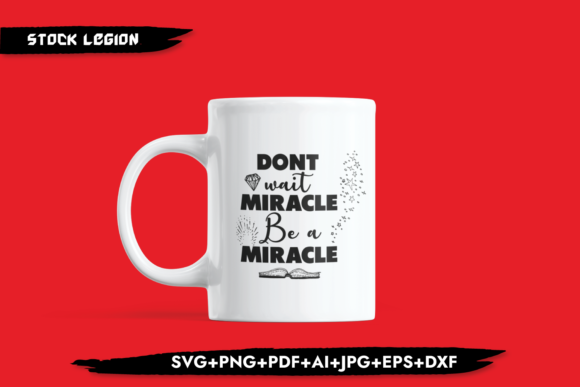
The phrase "Don't Wait Miracle Be a Miracle" carries a specific energy. It is motivational, slightly urgent, and deeply personal. Visually, the design leverages this by balancing bold statement text with elegant flourishes. The layout feels balanced, avoiding the cluttered look that often plagues motivational quote designs. For a designer, this balance is crucial because it dictates where you can place the artwork on a garment without it feeling like an afterthought.
The inclusion of multiple file formats—SVG, PNG, and PDF alongside the embroidery file—is a smart move for versatility. While the core utility is for stitching, having high-resolution transparent backgrounds allows for easy integration into digital mockups. This is particularly useful for an Etsy seller or small shop owner who needs to showcase the final aesthetic before committing to production. The 6x6 inch standard size is a safe bet for most home machines, offering enough canvas for detail without requiring a large hoop setup.
Real-World Application: Where It Shines
In my experience, certain quotes resonate more strongly on specific materials. Don t Wait Miracle Be a Miracle has a versatility that makes it suitable for a wide range of custom apparel and accessories. Here is how I see it performing in actual production runs:
- Tote Bags and Canvas Totes: A classic tote bag design. The contrast between thick canvas and fine thread work creates a premium feel. The motivational message pairs perfectly with the utilitarian nature of a tote, making it an ideal gift for teachers, students, or professionals.
- Sweatshirt Embroidery: For cozy, oversized hoodies, this design adds a touch of sophistication. The text likely uses a mix of satin stitch for outlines and fill stitch for emphasis, which stands out beautifully against the textured pile of fleece or cotton blends. It elevates a basic hoodie into a boutique-level item.
- Baby Embroidery and Nursery Decor: The gentle yet empowering message works well on baby onesies, burp cloths, or nursery pillow covers. Parents love meaningful messages for their children, and this design offers a modern alternative to traditional nursery themes.
- Kitchen Towels and Aprons: As a handmade product for the kitchen, this design brings warmth to daily routines. It serves as both decoration and inspiration, fitting seamlessly into a set of matching kitchen textiles.
The design’s ability to transition from commercial embroidery to personal use is its strongest asset. It doesn’t scream "mass-produced"; instead, it whispers "carefully crafted," which is exactly what buyers are looking for in today’s market.
Technical Performance and Stitch Clarity
When reviewing an embroidery file, clarity is king. Ambiguous paths lead to tangled threads and frustrated customers. From the preview of the SVG and the structural integrity suggested by the PDF, the design appears to have clean vector paths. This suggests that when digitized, the stitch density should be manageable, reducing the risk of puckering on lighter fabrics.
However, the effectiveness of this digital embroidery file relies heavily on thread selection. Because the design features text, color contrast is non-negotiable. On dark fabrics, using metallic or bright white threads will make the running stitch details pop, while on light fabrics, deep navy or charcoal threads provide a sharp, professional finish. I recommend testing the design in black and white mockups first to ensure legibility before committing to expensive specialty threads.
The design also seems to benefit from proper stabilization. Whether you are working on a cap, a sweatshirt, or a delicate apron, using the correct stabilizer behind the fabric is essential to maintain the shape of the letters and prevent distortion. The 6x6 hoop size gives you a reasonable margin for error, but rushing the hooping process can still compromise the final result.
Where Caution Is Required
No design is flawless, and there are situations where Don t Wait Miracle Be a Miracle might require extra attention:
- Small Hoop Sizes: If you attempt to scale this down significantly, the smaller details may become muddy. Ensure your machine can handle the minimum required dimensions without losing definition.
- Textured Fabrics: Bouclé, heavy knits, or highly textured weaves can obscure fine stitching. On these surfaces, the design might lose its crispness, so test on a scrap piece first.
- Stretchy Fabrics: While generally stable, stretchy materials like jersey can distort text if not backed with adequate tear-away or cut-away stabilizer.
- Dense Stitch Areas: If the design includes dense fill areas, check the underlay stitches. Proper underlay is critical for preventing thread breaks and ensuring the design lays flat.
Impact on Brand and Customer Trust
For creators selling finished goods, the quality of the embroidery directly impacts customer trust. A sloppy stitch job screams "amateur," while a clean, precise execution signals professionalism. Don t Wait Miracle Be a Miracle, with its clear hierarchy and balanced composition, supports a high-end brand image. It looks intentional and designed, not slapped together.
This visual appeal translates to higher perceived value. Customers are willing to pay more for a personalized gift or craft business item that looks polished. The motivational aspect of the quote also encourages emotional engagement, making the product more memorable. Whether it ends up on a pillow cover or a wedding gift, the design fosters a connection between the wearer and the message.
Practical Designer Notes for Success
Before you start mass-producing items with this design, keep these practical tips in mind:
- Test First: Always run the design on scrap fabric that matches the weight and texture of your final product. Check for tension issues and thread breaks.
- Inspect Details: Zoom in on the digital file. Are any curves too tight? Are any letterforms too thin? Adjusting the digitization settings slightly can improve longevity.
- Check Licensing: Confirm whether you have commercial rights to sell finished products made with this graphics asset. Reselling the digital file itself is almost certainly prohibited, but selling physical items usually requires a specific license.
- Thread Color Contrast: Experiment with different thread colors. Sometimes a subtle tonal contrast looks more sophisticated than high-contrast neon.
- Stabilizer Choice: Match your stabilizer to the fabric. Heavy fabrics need strong support; delicate fabrics need gentle removal.
In conclusion, Don t Wait Miracle Be a Miracle is a solid addition to any designer’s library. It is versatile, emotionally resonant, and technically sound for most standard embroidery projects. By paying attention to fabric choice, stabilization, and thread selection, you can turn this simple quote into a standout embroidery project that delights customers and strengthens your brand. Whether you are an apparel decorator or a hobbyist maker, this design offers a reliable path to creating beautiful, meaningful handmade products.