Boo Yah Halloween Sublimation Review
As a designer who spends more time than I care to admit staring at stitch charts and testing thread tension, I approach every new embroidery file with a healthy dose of skepticism. The market is flooded with generic clip art disguised as premium assets, so when I pulled up the Boo Yah Halloween Sublimation bundle, I wanted to see if it had enough visual punch to justify the hoop space on a busy production day. This isn't just about looking cute; it's about whether this design will hold up in a real-world craft business environment, specifically for an Etsy seller or small shop owner looking to add seasonal inventory.
First Impressions: Mood and Visual Personality
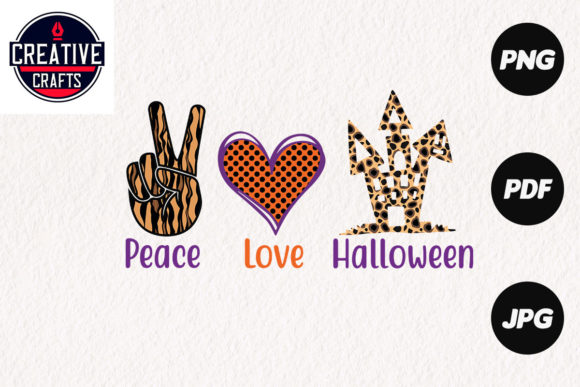
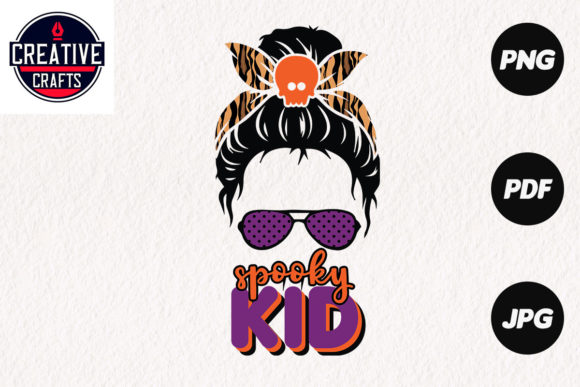
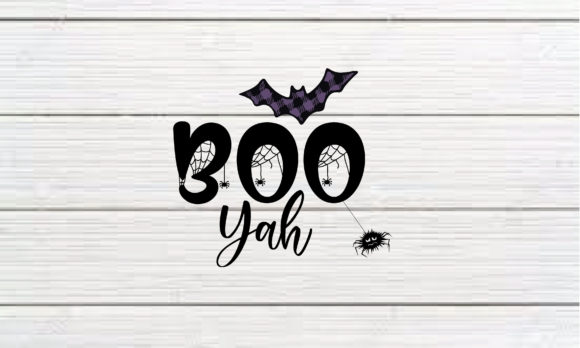
The immediate takeaway from Boo Yah Halloween Sublimation is its confident, playful energy. Unlike many Halloween designs that lean too heavily into spooky horror or overly saccharine sweetness, this one strikes a balance that feels modern and marketable. The layout suggests a strong central focal point, which is crucial for embroidery because we need to avoid cluttering the visual field. In my experience, the best machine embroidery design assets are those that communicate their theme instantly, even from a few feet away.
The vector nature of the source files (AI and EPS) gives me hope for scalability. As a reviewer, I appreciate that the original graphic is clean and editable. This means I can tweak the color palette to match specific brand guidelines without losing resolution. For a holiday embroidery project, having the ability to shift from traditional orange and black to softer pastels or monochromatic schemes can double the utility of a single purchase. It feels like a design built for versatility rather than just a one-off novelty item.
Real-World Application: From Screen to Stitch
Let’s talk about where this design actually lives. I imagine Boo Yah Halloween Sublimation shining on a heavy-weight cotton sweatshirt for a boutique fall collection. The bold lines translate well to sweatshirt embroidery, provided the stitch density is managed correctly. However, the true test for any embroidery project is how it behaves on textured fabrics.
I envision using this for custom embroidered tote bags. A canvas tote offers a stable, flat surface that allows the fill stitch areas to lay smoothly. If the design includes text, the "Boo Yah" attitude likely benefits from a strong satin stitch outline to ensure legibility. For an Etsy seller, creating a mockup of this on a neutral beige tote immediately signals a product that is both trendy and giftable. It fits perfectly into the category of personalized gifts for teenagers or young adults who want something festive but not childish.
Another strong use case is the embroidered patch. Because the design appears to have a distinct shape, digitizing it as a patch with a dense border could make it a versatile accessory. Customers love adding patches to denim jackets, backpacks, or laptop sleeves. If the vector file allows for easy separation of elements, I could potentially offer this as a detachable patch, increasing the perceived value of the handmade product.
Technical Considerations and Potential Pitfalls
No design is perfect, and transparency is key for professional reviewers. While Boo Yah Halloween Sublimation looks great on screen, several factors will determine its success in production.
- Hoop Size Constraints: Before committing to a large production run, confirm the final hoop size. If the design is too wide for standard 4x4 hoops, you’ll be forced to reposition it or use larger machines, which limits your customer base. Always check the dimensions against your equipment capabilities.
- Stitch Density and Fabric Texture: On thin or stretchy fabrics, high-density fill stitch areas can pucker the material. If you plan to put this on a lightweight t-shirt or a baby onesie, you must test the stability. Using the correct stabilizer—likely a cut-away for woven items or a tear-away for knits—is non-negotiable for a clean finish.
- Detail Resolution: Although the source is vector, the final stitched result depends on the digitization. Tiny details might get lost if the stitch density is too low. I recommend inspecting the small curves and corners in a black-and-white mockup to ensure they won’t look muddy after stitching.
- Thread Color Contrast: The CMYK color mode of the original design is helpful for printing mockups, but embroidery relies on RGB/physical thread availability. Ensure there is enough contrast between the background fabric and the primary thread colors. Dark fabrics often require an underlay stitch to make bright colors pop, which adds to the total stitch count and cost.
Design Assets and Commercial Viability
For the digital product seller or the entrepreneur looking to scale, the inclusion of AI and EPS files is a significant plus. It allows for customization before the digitization process. You can adjust the proportions to fit specific garment cuts or create variations for different seasons. This flexibility supports a stronger brand consistency across your small shop product line.
However, commercial viability hinges entirely on the licensing terms, which are not explicitly detailed in the basic description. Before listing this as a commercial embroidery asset or selling finished goods made from it, you must verify the license. Does it allow for unlimited physical sales? Can you sell the digital file itself? Ambiguity here can lead to legal issues later. Assuming the license permits commercial use, this design has the potential to be a steady earner during the Q4 holiday season.
Final Verdict
Boo Yah Halloween Sublimation is a solid addition to the toolkit of any creative entrepreneur focusing on seasonal apparel and accessories. Its playful mood and clean vector structure make it adaptable for various custom apparel projects, from tote bag design to nursery decor. While it requires careful attention to stitch density and stabilizer selection to avoid common embroidery pitfalls, the payoff in terms of customer engagement and giftability is high.
I recommend testing this design on scrap fabric first, paying close attention to how the running stitch and applique design elements (if applicable) interact with your chosen thread colors. If executed well, this bundle can help you create a standout finished product that resonates with buyers looking for quality handmade items. Just remember to check the technical specs and licensing before you start producing for sale.